As a scotch drinker and mountain lover, I love this artistic glass concept from Tale Design in South Korea. Embedded in a relatively normal-shaped glass is a mountain-like protrusion, inspired by the Matterhorn. Tale Design has done some other creative glasses as well, such as this moon glass where the surface of the liquid changes as the level drops, and represents phases of the moon.
Water Shortages in the Forecast
Water supplies in our country are not only facing pressure from an increasing population, but climate change is likely to make the problem worse. So bad in fact, that by 2050 more than one in three counties in the US could face either a high or extreme risk of water shortage. Most likely, this will affect southern and southwestern states, and the southern Great Plains states. Read more over at sciencedaily.
Smart Parking
Finding a parking spot in a crowded city just got a whole lot easier! San Francisco has embedded magnetic sensors under 8200 parking spaces throughout the city, to detect the presence of a car, and has made this information available to all at the SFpark website. It doesn’t show individual spots, but gives a block by block status of congestion, with estimated number of spaces available in each, along with the parking rates for different times of day. Pretty cool! And yes, ‘there’s an app for that‘ too…
Solar power…from grass?
Can we generate solar power from grass? Researchers at MIT think this might be a possibility. While efficiency is low, the real metric to look at is energy per unit cost. Watch the video below for some really interesting information on this.
Solar Power in the Developing World
Watching the propagation of technology throughout our global society can be fascinating. Case in point, the telephone. First world telephone users started with hard wired phones, which transitioned to cordless phones (still using the wired infrastructure), and are only recently transitioning en mass to cell phones. In developing countries, the infrastructure for a wired phone system simply doesn’t exist, and is very expensive to install. These same countries are finding that cell phones are less expensive to deploy on a wide scale, and as a result these areas are incorporating phone technology into their lives at a different point in the cycle than first world citizens.
A similar technological lead-frogging is beginning to appear in energy. While first-world countries continue to burn fossil fuels and transmit that energy hundreds of miles through wires to the end users, the costs with building that infrastructure is making alternative energy, specifically solar, much more appealing to developing world citizens, where solar can be less expensive than the fossil fuel alternatives.
It’s a fascinating transition, and for more on this I recommend reading this article at climatecrocks.com.
Light-trapping nanoshells
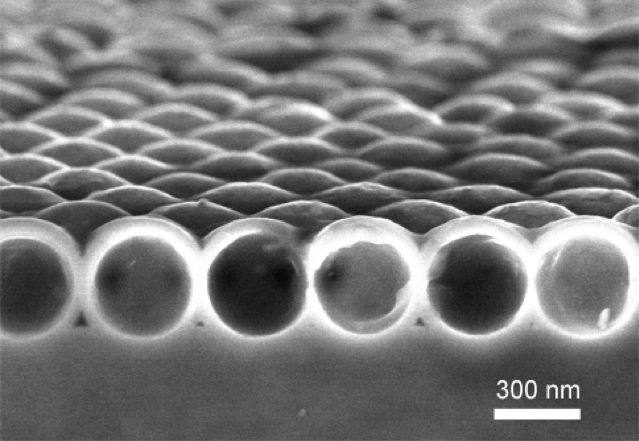
Scientists at Stanford are exploring an unusual method of increasing solar cell efficiency – they’re using hollow silicon spheres to help trap the light that would otherwise be reflected. Trapping the light in this manner allows more of it to ultimately be absorbed, increasing overall effectiveness. You can even stack up multiple layers of these tiny spheres to further improve efficiency. Hard to say if and when this will make it to the commercial market, but it does help show there’s a lot of research going into solar energy…a future without fossil fuels is an ever-increasing probability. (via Gizmag)
TSA body scanners
If you’ve flown anywhere in the past several years, you probably saw, or had to go through, a full-body scanner at the security checkpoint. There are two technologies in use there. One is a circular chamber that low powered millimeter waves, to see if you’re hiding anything under your clothes (this is referred to as a millimeter wave scanner). There’s really little risk associated with this type of scanner, it’s not a big deal at all. The other technology has you walk between two large blue or gray boxes, and uses low levels of ionizing radiation to perform the same function (this is referred to as a backscatter scanner). A more detailed comparison of the two technologies can be viewed here.
So what’s the big deal? Well, the problem is that the backscatter scanners have never been independently tested and shown to be safe. The government says they’re safe (with little evidence to support that), while the scientific and medical community has serious concerns about their safety. Apart from the lack of testing, there’s the basic principle in radiation safety that people should never be x-rayed unless there’s a medical benefit. The risk is real enough that it’s believe that some number of people will get cancer every year from this (the exact number is unknown, but probably less than 100).
So, given that there is a safer alternative, why use backscatter technology at all? Good question. Europe has banned them altogether. Thankfully, there’s now a bill in Congress that would require an independent study on the health and safety of these body scanning technologies. In a perfect world they’d do the study BEFORE spending money buying and deploying so many of these, but hey, better late than money. The reality is that lobbyists and corporate interests seem to be heavily influencing the use of these technologies in our country.
In the meantime, what can you do? If you’re lucky, you can choose to fly to and from airports that are using the millimeter wave technology instead; there’s a very detailed list of what technologies are used at various airports over at flyertalk.com. You may also find that airports that have the backscatter scanners installed only rarely use them, instead funneling people through traditional metal detectors.
AR Contact Lenses
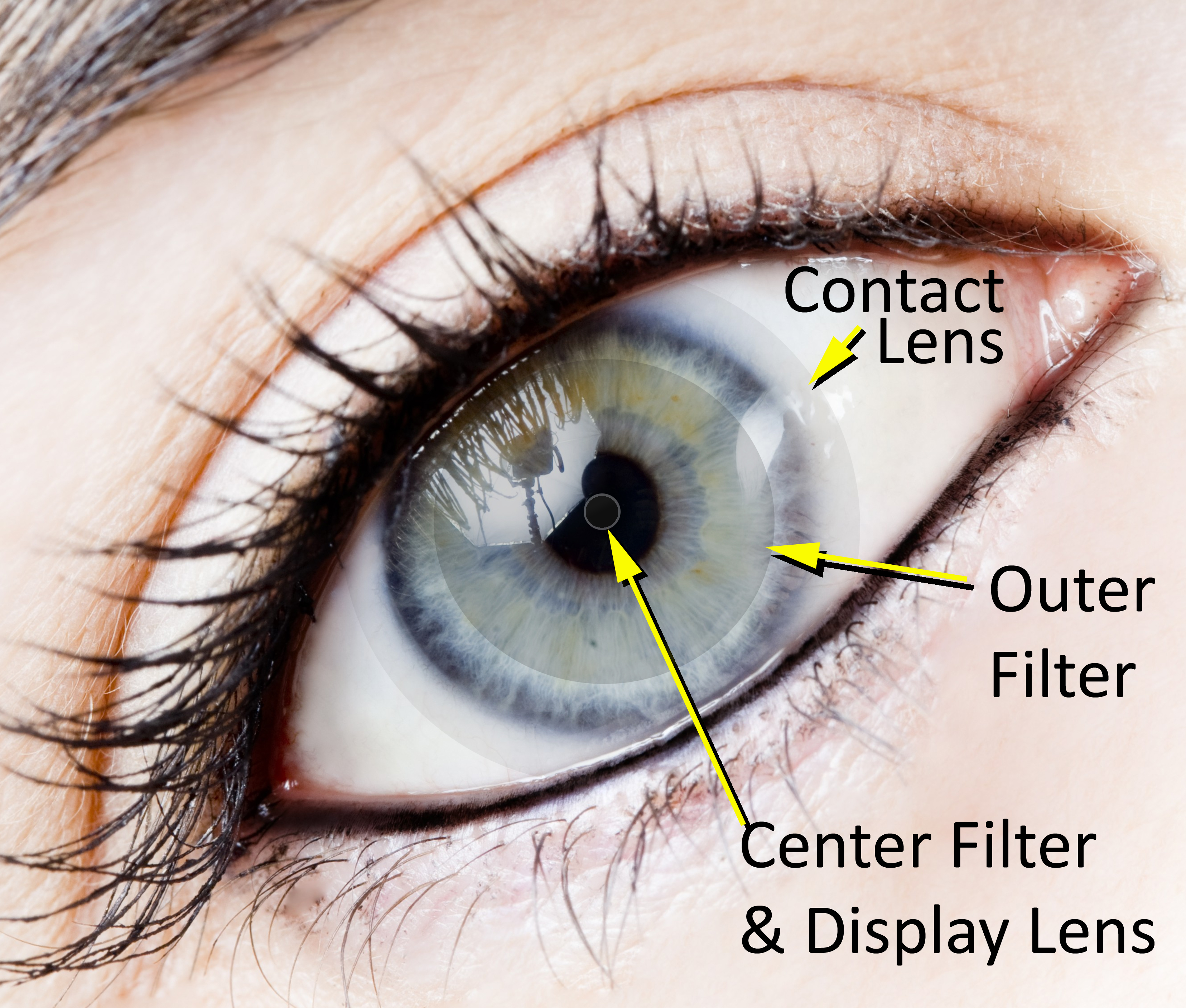
Scientists have already managed to create contact lenses that contain a single LED, so it’s no surprise they’re working on increasing that resolution to a more usable level. Due to the obvious tactical advantage in a combat situation, it’s no surprised that DARPA is an active participant in such research, working with Washington-based iOptiks on just such a solution. Eventually, you can expect this to trickle down to the consumer level, which would allow for virtually seamless augmented reality integration into our lives. Until then, expect the AR experience to be first tackled through use of eye glasses such as these. The next decade is going to be exciting for AR, I can’t wait to see how this develops! Read more here.
(via Slashdot)
This Planet is Worth Fighting For
Take some time today to watch the video added below. It’s a great reminder of how beautiful and wonderful this planet is, and how our actions are ruining it. We have no right to deprive future generations of the magnificence of this world; we have a moral and social obligation to do everything we can to live in balance with the world around us. If we destroy the planet, we will destroy our society as well; our current path is not sustainable and change will happen whether we want it or not. Let’s lead that change and shape our future, rather than let it be shaped for us.
Solar Panel Efficiency Gains
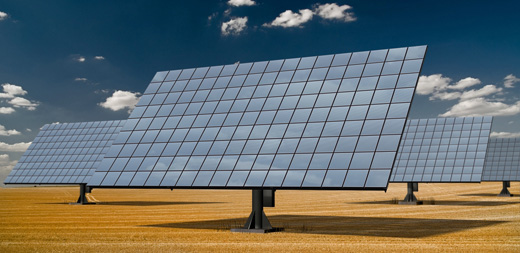
North Carolina based Semprius has set a new standard for solar panel efficiency at 33.9 percent! While only a small gain over the previous record of 32%, it’s nice to see this trend continue, as improved efficiency helps increase solar’s competitiveness in the marketplace. They accomplish this through the use of lenses and mirrors to focus the incoming light, a technique known as concentrated photovoltaics (CPV). They’re expecting production of this technology to begin in the second half of 2012, though it’s targeted more towards utility-scale installations, not residential owners.