Can we generate solar power from grass? Researchers at MIT think this might be a possibility. While efficiency is low, the real metric to look at is energy per unit cost. Watch the video below for some really interesting information on this.
Solar Power in the Developing World
Watching the propagation of technology throughout our global society can be fascinating. Case in point, the telephone. First world telephone users started with hard wired phones, which transitioned to cordless phones (still using the wired infrastructure), and are only recently transitioning en mass to cell phones. In developing countries, the infrastructure for a wired phone system simply doesn’t exist, and is very expensive to install. These same countries are finding that cell phones are less expensive to deploy on a wide scale, and as a result these areas are incorporating phone technology into their lives at a different point in the cycle than first world citizens.
A similar technological lead-frogging is beginning to appear in energy. While first-world countries continue to burn fossil fuels and transmit that energy hundreds of miles through wires to the end users, the costs with building that infrastructure is making alternative energy, specifically solar, much more appealing to developing world citizens, where solar can be less expensive than the fossil fuel alternatives.
It’s a fascinating transition, and for more on this I recommend reading this article at climatecrocks.com.
Solar Panel Efficiency Gains

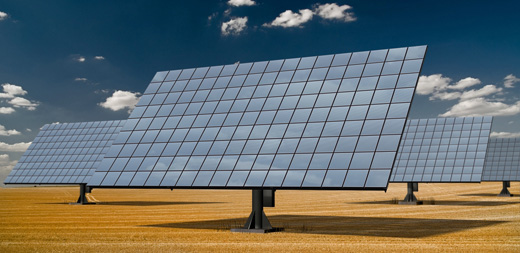 North Carolina based Semprius has set a new standard for solar panel efficiency at 33.9 percent! While only a small gain over the previous record of 32%, it’s nice to see this trend continue, as improved efficiency helps increase solar’s competitiveness in the marketplace. They accomplish this through the use of lenses and mirrors to focus the incoming light, a technique known as concentrated photovoltaics (CPV). They’re expecting production of this technology to begin in the second half of 2012, though it’s targeted more towards utility-scale installations, not residential owners.
Palm Oil Biodiesel – not green
The EPA has ruled that biodiesel made from palm oil does not meet US standards for being defined as a renewable fuel, due primarily to the fact that the palm plantations are often created by clearing out the rainforest that once thrived there. It’s a nice reminder that when you see something being touted as eco friendly or using tagwords like this ‘biodiesel’, we need to look at the whole picture and not just accept it as green (this can be a form of greenwashing – tricky marketing to make you think that something is eco-friendly when it isn’t).
Fracking, and water contamination
There’s been all sort of discussion lately about fracking (hydraulic fracturing of shale rock) to access natural gas that was previously thought to be inaccessible. The concern has been over the fluids used in the fracking process, what little we know about them indicates they are toxic and not something we want in our groundwater (the actual ingredients are considered trade secrets and not typically disclosed, though Colorado recently enacted a law to change that). Evidence has shown these fluids can turn up in groundwater. On the other side of the debate though, the industry disputes that claim and says that fracking is safe, that the fluids can’t go from the shale layers to the aquifers. Which side to believe? An article in Scientific American indicates that both sides may be right, depending on your point of view. It’s an interesting and short read and I encourage you to read it in full, but the gist of it is that yes, fracking doesn’t contaminate the water, but the wells that carry the fluids to and from the fracking layers CAN. Cracks in the cement casings of those wells can allow the fracking fluid to escape into the aquifers that the wells pass through to get to the fracking layers. More to the point, this concern would apply to virtually any time of natural gas extraction, not just fracking. So, it’s a bit worse than originally feared! Read more about it here.
Hyperion Solar Updraft Tower

 Hyperion Energy is looking to build a gigantic, kilometer tall tower in Australia. Where it really gets interesting is the ‘why’. The base of the two has holes in it. The land around it, for almost fourteen square miles, would be covered, creating an air gap between the ground and the cover. The sun would heat up the air under the cover, and hot air would rise up through the tower, drawing in cool air from the perimeter of the cover. Turbines installed in the base of the tower would be turned by the rising hot air, thus generating electricity. Perhaps the best part is since this operates on a temperature DIFFERENCE between the ground air and the air at the top of the tower, when night falls this will continue to generate electricity as the ground will retain heat while the air above the tower cools down. Natural power storage. So, not only is this clean, renewable energy, but…the plant pictured here would produce about as much electricity as as small nuclear reactor (200MW)! Awesome! They’re hoping to get this build and operational by 2014.
Hyperion Energy from Hyperion Energy on Vimeo.
Community Solar Garden
SunShare is doing something cool in Colorado Springs…they’re making it really easy for individual homeowners to reap the benefits of solar panels, without having to install solar panels on their own homes. SunShare is building a ‘solar garden’, where individuals can lease a minimum of two solar panels. The electricity from those panels is fed into the city’s power grid, and the leases then get a credit on their electric bill corresponding to how much power their panels produced. You can read more about how it works here.
There’s something similar in Sacramento, CA, with SolarShares. The big difference I can see is that instead of committing to output from a specific number of panels, it’s a less specific monthly fee that you pay the company.
Biological fuel cell

 Energy storage and consumption is the bane of any new technology, especially portable ones. Researchers at the Case Western Reserve University have accomplished something that I find quite incredible…tapping into a living organism’s biological energy system, and converting that to electricity which can then be used by human technology that has been added to the organism. A true step closer to a living cyborg. Awesome. Ok, so it’s really more suitable to invertebrates at this point, but it still has incredible potential. It also brings back memories of that scene in the Fifth Element, where a cockroach is equipped with a microphone, transmitter, and remote control, to enable Zorg’s men to eavesdrop on the President (the image here). Read more about it over at Gizmag.